
Practice
Read the radio counters, not only the bars
Bars are a vendor sketch. RSRP, RSRQ, and SINR are closer to the physics. They are still snapshots, and they are easy to over-read.
RSRP
Reference Signal Received Power. A level, in dBm. Figures around −80 dBm are generally comfortable; around −110 dBm the link is getting thin. Device antennas differ.
RSRQ
Reference Signal Received Quality. It mixes signal and interference-plus-noise. A strong RSRP with a poor RSRQ often means a busy or noisy cell.
SINR
Signal to interference plus noise. Higher is cleaner. This number moves quickly as trucks, bodies, and neighboring cells change the air.
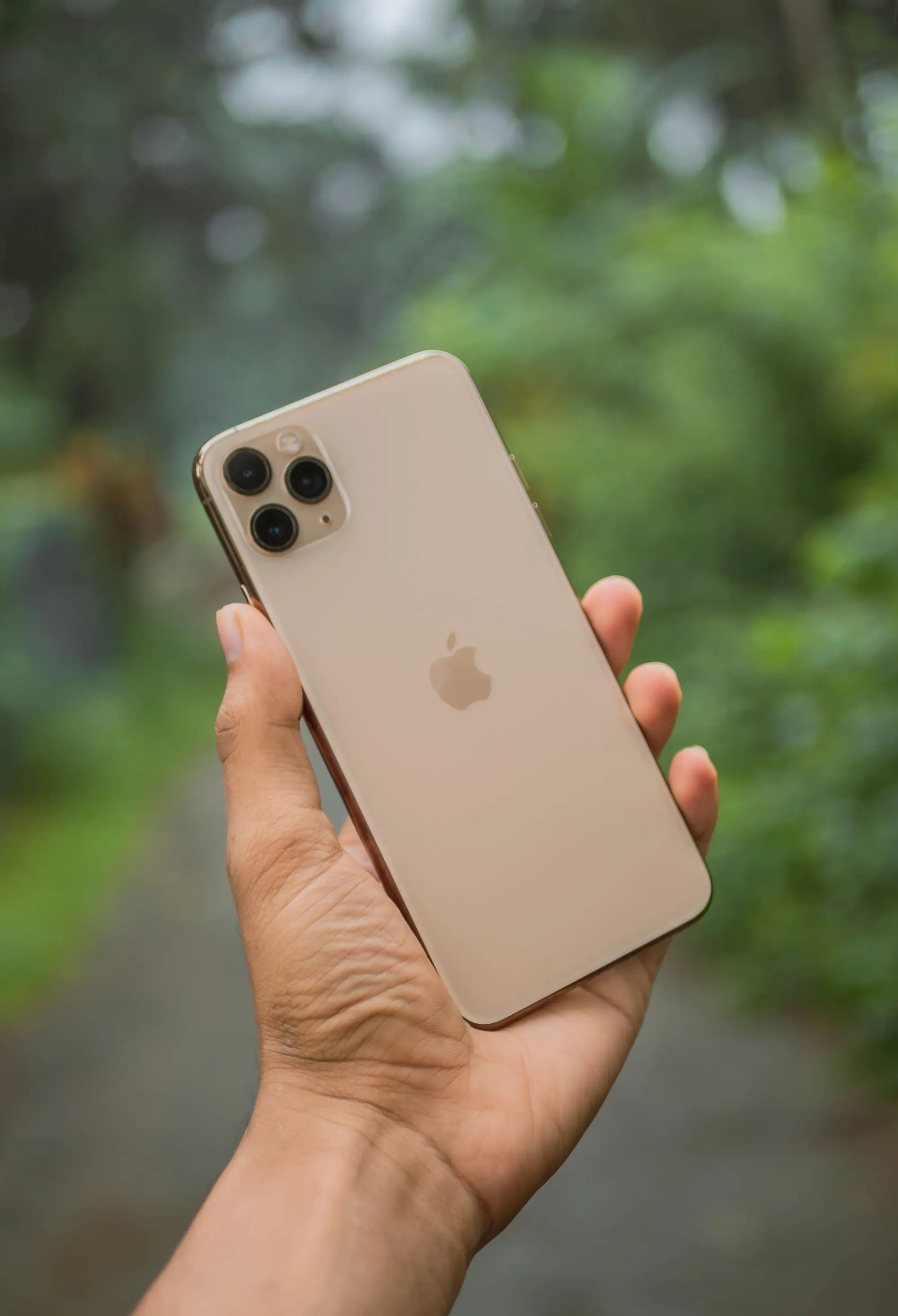
Where the numbers live
Many Android devices expose a field-test or “network” screen in the system settings. Some iOS screens show generation and, in limited cases, more detail. Hidden engineering menus differ by brand and version; this site does not publish unverified dialer codes. If your phone has no counters, you can still do the movement test described in the session path.
A cautious interpretation
- One sample is an anecdote. Three samples a minute apart are a sketch.
- Compare the same room and the sidewalk before blaming the operator’s nationwide network.
- If counters look healthy and a large overseas download does not, read the cable note.
- If counters look poor and a coverage map is green, believe the counters for that exact spot.
What not to do
Do not treat a screenshot as a legal measurement. Do not assume a neighbor’s number applies to your interior wall. Do not use these counters to invent a ranking of companies. They are a flashlight, not a courtroom.
Approximate ranges, not verdicts
Handsets differ. These bands are orientation for LTE-style reference signals, not a certificate:
- RSRP around −80 dBm: usually a comfortable level outdoors or near a window.
- RSRP around −95 to −105 dBm: often usable, more sensitive to walls and load.
- RSRP near −110 dBm or below: the link is getting thin; movement or a coverage layer may matter more than a speed app.
- SINR in the high teens or better: a cleaner air. Near zero: interference or noise is eating the extra width.
A strong RSRP with a poor SINR is a crowded or noisy cell. A weak RSRP with a surprisingly decent SINR can still be a quiet distant cell. Write both down.
Bars lie in two directions
Vendors map counters to icons with their own thresholds. Four bars can hide a bad SINR. One bar can still carry a message on a coverage layer. If you argue from icons, you are arguing from a skin.
A ten-minute protocol
- Disable Wi-Fi. Stand still for one minute.
- Record RSRP, RSRQ, SINR if shown, plus the generation badge.
- Move to the sidewalk. Record again.
- Move to the rear room. Record again.
- Only then run a domestic and an overseas page. The order keeps you from blaming the ocean for a wall.
Return to the path if you need to know which hop you just isolated.
Why two phones in the same room disagree
Antennas, cases, band catalogs, and modem generations differ. One handset can hear n78; the other camps on a coverage LTE carrier and still shows four bars. Before you treat that as a network scandal, compare the band lists and the counters, not the icons. Then move both phones to the sidewalk and see whether the gap survives.
RSRQ is the quiet middle sibling
People quote RSRP because it looks like a level. They quote SINR because it looks like cleanliness. RSRQ sits between them: it notices a busy or noisy cell even when the level looks fine. If you only write one number, you will miss that case. Write two. Prefer three.
What a screenshot cannot be
It cannot be a legal survey. It cannot be a ranking. It cannot speak for the other side of a concrete wall. It can be a dated note: place, time, indoor or outdoor, generation, counters, domestic page, overseas page. That note is how this atlas asks to be used. Pair it with the stack if the counters look healthy and the download does not.