
Infrastructure
What you are seeing when you look at a Chilean cell site
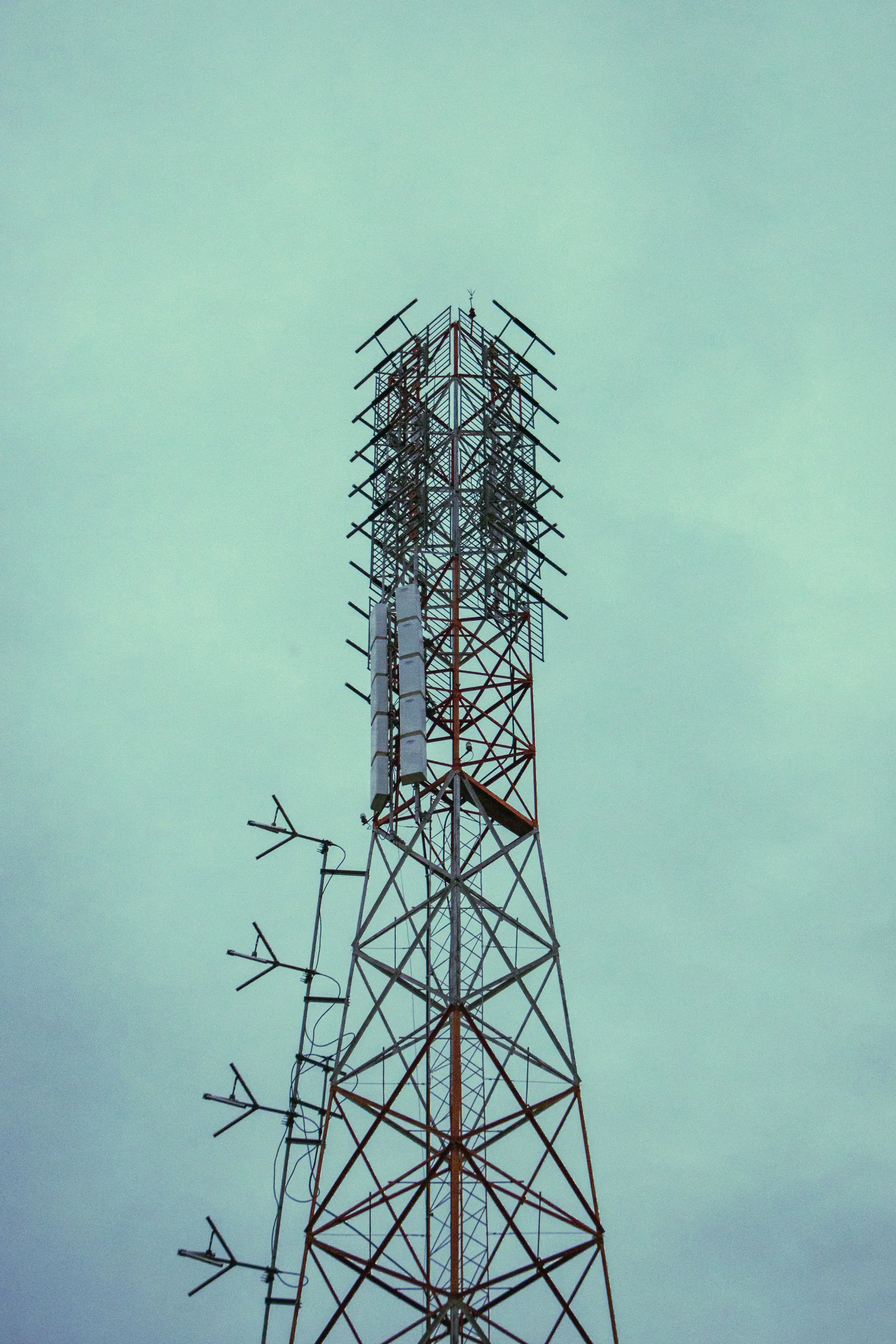
A site is a small industrial plant: radios, power, grounding, and a way out.
Macro tower or mast
The classic structure on a hill or roadside. Several sectors, longer range, shared by many users.
Rooftop frame
Urban default. Lower height, more sites per square kilometer, careful microwave or fiber risers.
Monopole or camouflaged pole
Used where planning or streetscape limits a lattice. Same radios, smaller silhouette.
Small cell / street furniture
Short range capacity in plazas, stations, or indoor halls. Complements macros; does not replace them.
Sectors are slices
Those rectangular panels are usually directional. Three sectors of about 120 degrees are common; other splits exist. If you stand in a null between sectors, a phone may cling to a distant cell and look “weak” even though a site is nearby. Walking 20 meters can change the serving cell.
Power and resilience
A site needs clean power and, in many places, a battery string or generator. Northern Chile’s solar resource helps some remote installations; it does not remove the need for night autonomy. After a regional outage, radios fail in the order their backup expires. That is an infrastructure fact, not a radio-generation fact.
Sharing and appearance
Towers may host more than one operator’s panels. Counting structures is not the same as counting networks. For the traffic leaving the site, read backhaul. For how those panels sit in a national map, read coverage.
What the dishes and panels are doing
Panel antennas are usually the mobile sectors. Circular dishes are often microwave backhaul or other point-to-point links. A forest of dishes can mean the site is a radio hub for other sites, not that your street has infinite capacity.
Height, tilt, and the null at the base
Sectors are tilted to cover a designed area. Standing directly under a rooftop can be worse than standing a block away. That is geometry, not a broken company. Walk a short loop before you decide the site “does nothing.”
Power, batteries, and what fails first
After a cut, lights in a town and radios on a hill do not share one switch. A site with short battery reserve goes dark while another still beacons. Generation badges on surviving phones then describe the sites that still have energy, not a national policy.
A respectful street reading
Photographing a tower from the public road is not the same as entering a compound. This site does not describe locks, cabinets, or frequencies for interference. Use the pictures as literacy: panels, dishes, rooftop frames, poles. Then return to how a session uses that plant.
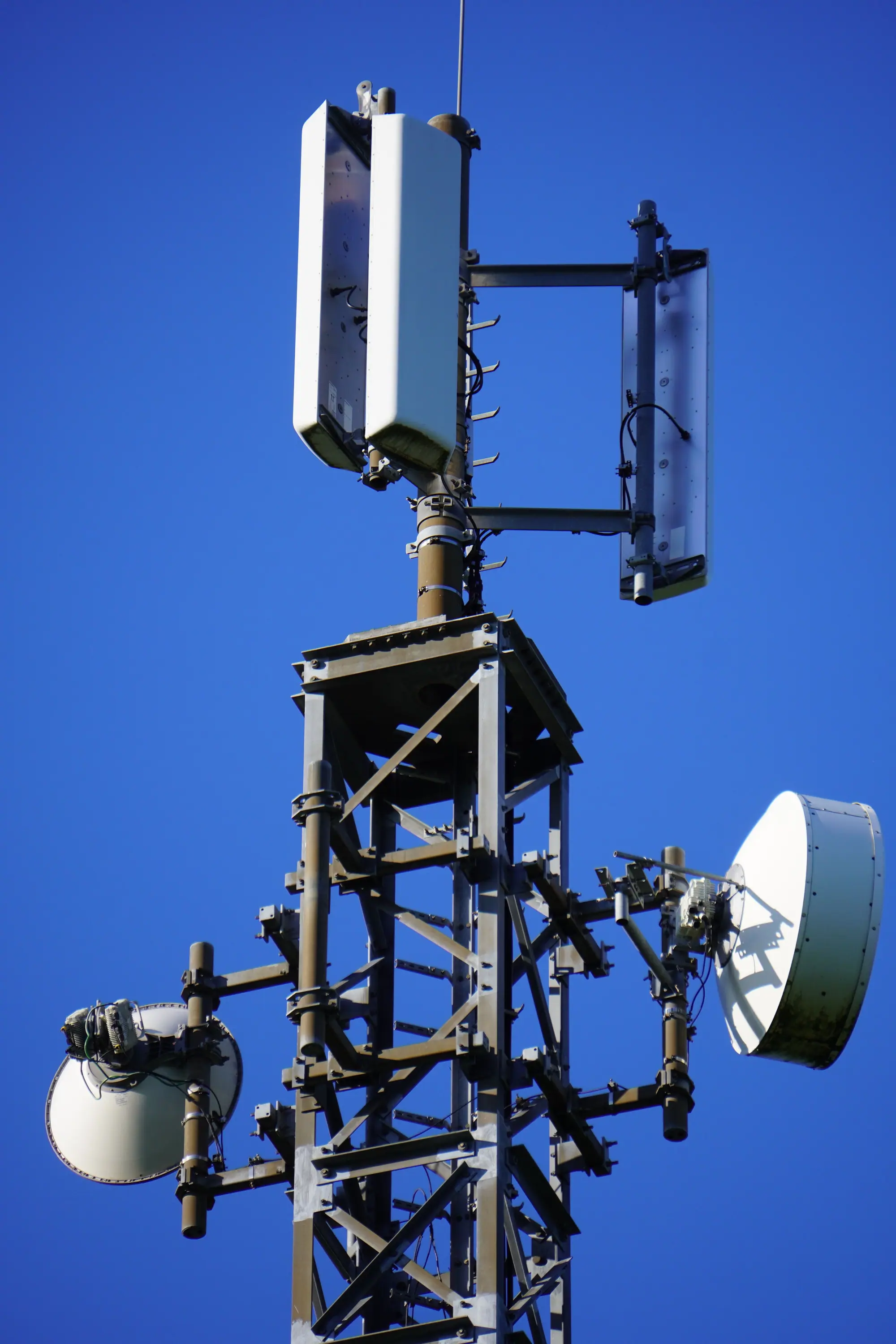
Rooftops are still sites
In a dense commune the lattice on a hill is not the only plant. Frames on buildings, poles on corners, and indoor systems in a station all count. They are shorter, closer, and easier to miss in a photograph. Counting only the tall structures will make a capital look emptier than it is.
What camouflage is doing
A pole that looks like a palm or a chimney is still a radio neighborhood. The silhouette changed because a planner or a neighbor asked it to. The sectors, the power, and the exit did not become decorative. Treat it as a site, then walk a loop to find the serving cell instead of staring at the costume.
Multi-operator frames
One structure can host more than one company’s panels. The street view is then a shared mast, not a single network. Do not infer “this town has one operator” from a single tower photograph. Do not infer capacity from the number of panels either: some are microwave, some are unused, some are other services.
Ground compounds
Fences, cabinets, and warning signs exist because the plant is energized and licensed. This atlas stops at the public road. Literacy is panels, dishes, rooftop steel, and poles. It is not a tour of locks. Return to the session if you need to know what those panels are for.